Product Description
N TYPE BNC TYPE DIN TYPE SMA TYPE F TYPE N TYPE1 W N M DUMMY LOAD 3GHZ 2 W N M DUMMY LOAD 3GHZ 5 W N M DUMMY LOAD 3GHZ 10 W ... 5 W DIN M DUMMY LOAD 3GHZ.
Ads
N TYPE BNC TYPE DIN TYPE SMA TYPE F TYPE N TYPE1 W N M DUMMY LOAD 3GHZ 2 W N M DUMMY LOAD 3GHZ 5 W N M DUMMY LOAD 3GHZ 10 W ... 5 W DIN M DUMMY LOAD 3GHZ.
Ads
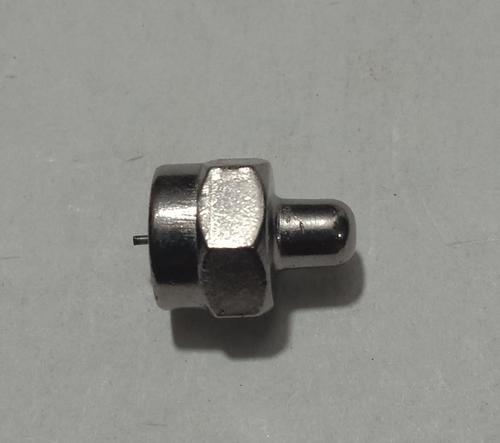
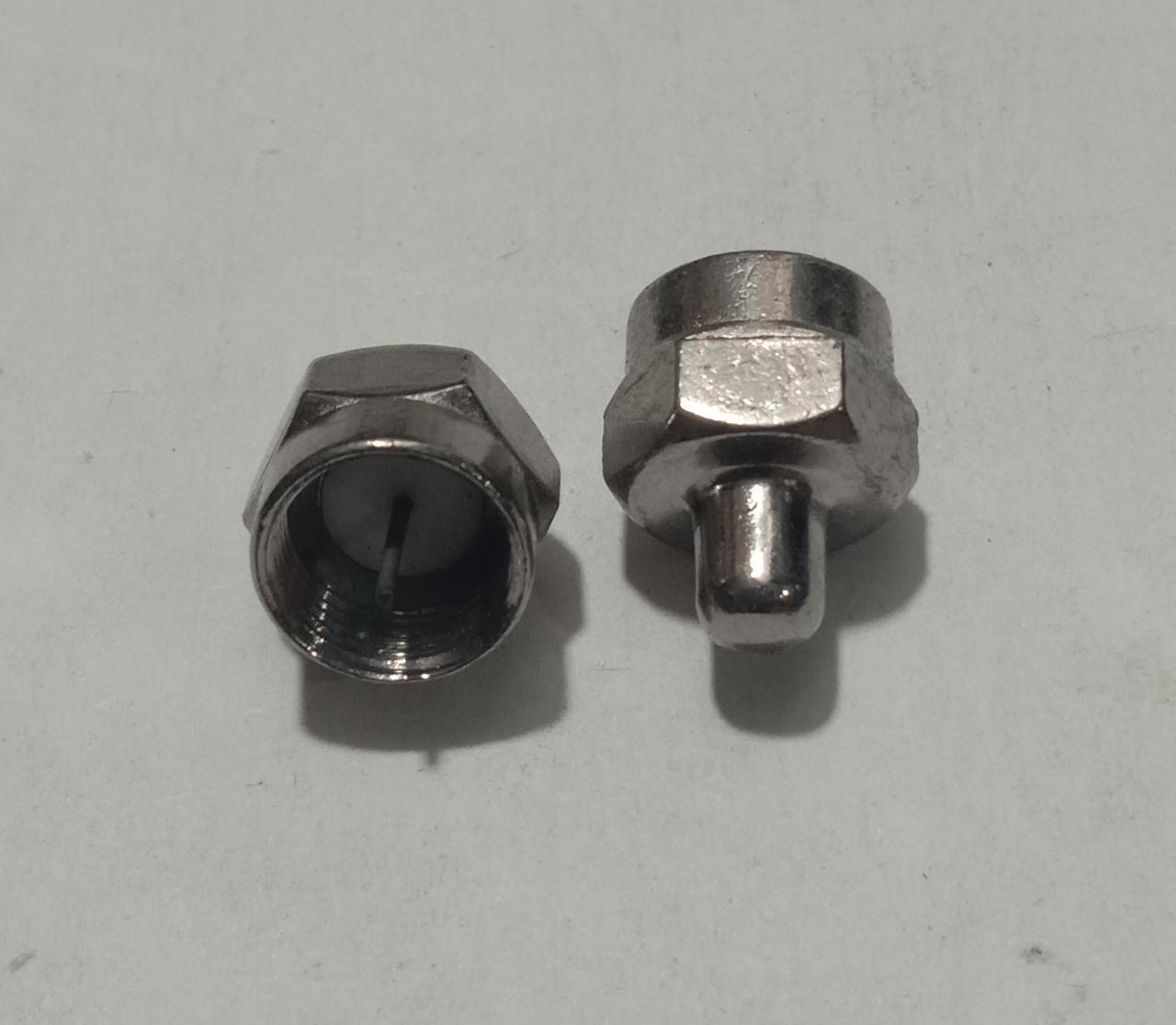
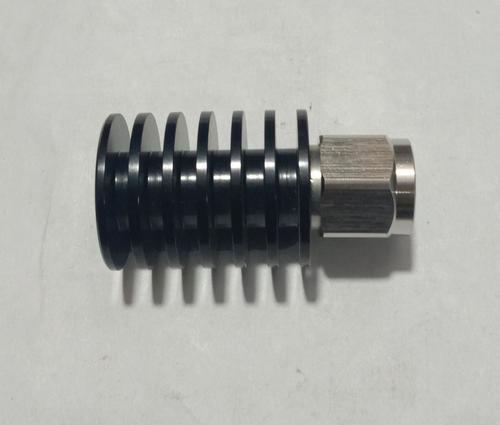
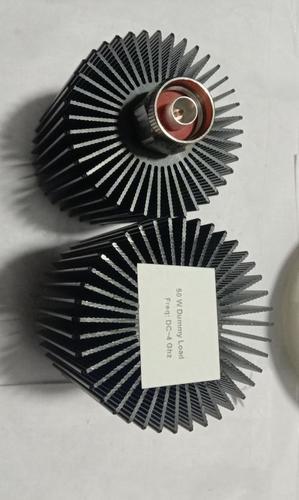
Reliable RF Power TerminationSpecially crafted for laboratories and radio transmission setups, this dummy load absorbs transmitted RF power efficiently without radiating, safeguarding equipment during testing and measurement tasks. Its 2 Watt capacity and frequency coverage up to 3 GHz suit a broad range of telecommunications and RF applications.
Durable Construction and Versatile UseThe brass body with a nickel-plated finish ensures longevity and resistance to corrosion, while the PTFE insulator maintains high dielectric strength. Lightweight and portable, it fits standard F Male connectors, making installation easy and providing flexibility for professionals working in different environments.
FAQ's of DUMMY LOAD 2 W F M:
Q: How is the DUMMY LOAD 2 W F M used in RF circuit testing?
A: The dummy load is connected to RF transmitters or circuits via its F Male connector to absorb transmitted RF power, simulating an antenna while preventing real signal transmission. This enables safe, accurate assessment of transmitter performance without interfering with surrounding devices.
Q: What benefits does its 75-ohm impedance provide for telecommunication test setups?
A: A 75-ohm impedance matches systems commonly used in broadcast and telecommunications, minimizing reflection, achieving accurate measurements, and ensuring compatibility with equipment designed for this standard.
Q: When is it necessary to use a dummy load during transmitter termination?
A: A dummy load is particularly necessary during transmitter maintenance or testing, when output power needs to be absorbed without emission, preventing signal leakage and ensuring compliance with regulatory standards.
Q: Where can this dummy load be effectively applied?
A: It is ideal for use in laboratories, radio transmission stations, and telecommunication test setups, as well as in environments where precise RF power absorption and safety are critical, such as equipment testing floors and development labs.
Q: What is the process for connecting this dummy load to an RF device?
A: Connect the F Male end securely to the corresponding female RF port on your transmitter or circuit. Ensure the connection is firm, and verify compatibility with voltage and power ratings before initiating any tests or measurements.
Q: How does the nickel-plated brass body and PTFE insulator benefit long-term operation?
A: The nickel-plated brass offers corrosion resistance and durability, while the PTFE insulator delivers excellent dielectric properties, supporting stable performance and longevity even during extended use across varying temperatures.









 Send Inquiry


