


07313726109


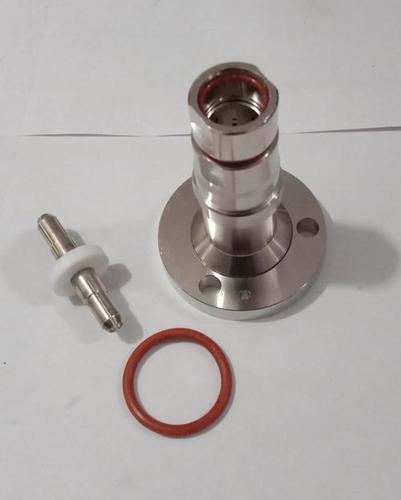
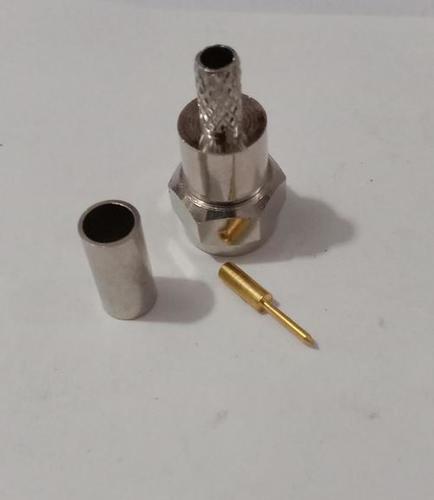
EIA 1-2 FLANGE
120 INR/Piece
Product Details:
- Product Type EIA 1-2 FLANGE
- Material Brass
- Usage RF Telecommunications
- Application RF Telecommunications Device - IBS - BTS Solutions
- Power 50 Ohm (ohm)
- Voltage 50 Watt (w)
- Weight 10 Grams (g)
- Click to View more
X
EIA 1-2 FLANGE Price And Quantity
- 120 INR/Piece
- 5 Piece
EIA 1-2 FLANGE Product Specifications
- 50 Ohm (ohm)
- EIA 1-2 FLANGE
- 10 Grams (g)
- RF Telecommunications
- Brass
- 50 Watt (w)
- RF Telecommunications Device - IBS - BTS Solutions
EIA 1-2 FLANGE Trade Information
- New Delhi
- Paypal, Telegraphic Transfer (T/T), Days after Acceptance (DA), Cash Advance (CA)
- 200 Piece Per Day
- 1-2 Days
- Free samples available with shipping and taxes paid by the buyer
- As Required buyer
- Australia, North America, Eastern Europe, Western Europe, Africa, Central America, Middle East, South America, Asia
- All India
Product Description
Electrical:
Characteristic Impedance 50 ohm
Frequency Range DC-6 GHz
VSWR 1.15@DC-4GHz
Dielectric Withstanding Voltage 1000V RMS,50Hz,at sea level
Dielectric Resistance 5000M
Contact Resistance Center Contact 1m
Outer Contact 0.25m
Precision Engineering for RF Telecommunications
The EIA 1-2 Flange stands out for its compatibility with modern RF telecommunication devices. Built from high-quality brass and offering 50 Ohm impedance, it ensures minimal signal loss and exceptional connectivity in IBS and BTS solutions. Its lightweight design allows for effortless installation without compromising durability or performance.
Versatile Supply Chain in India
Manufactured, distributed, and supplied by trusted Indian vendors, the EIA 1-2 Flange is readily available for RF telecommunications projects across the nation. Whether you are a distributor, wholesaler, or integrator, this product is supported by a reliable supply chain for consistent and timely delivery.
FAQs of EIA 1-2 FLANGE:
Q: How is the EIA 1-2 Flange used in RF telecommunications systems?
A: The EIA 1-2 Flange is commonly employed to connect coaxial cables and components within RF telecommunications infrastructure, such as IBS and BTS installations. Its precise interface ensures reliable signal transfer and minimizes loss in critical communications applications.Q: What benefits does a brass material flange provide in RF applications?
A: Brass offers excellent conductivity and corrosion resistance, making it ideal for RF connections. This helps enhance the performance and longevity of the EIA 1-2 Flange, ensuring stable signal transmission over time.Q: When should I choose the EIA 1-2 Flange with 50 Ohm impedance?
A: You should select this flange when your RF systems require the industry standard 50 Ohm impedance, which is optimal for most telecommunications and RF signal transmission setups, ensuring compatibility and performance consistency.Q: Where is the EIA 1-2 Flange supplied from in India?
A: This flange is available through a network of manufacturers, suppliers, traders, and wholesalers across India, ensuring easy procurement for RF project needs countrywide.Q: What is the process for integrating the EIA 1-2 Flange into an IBS or BTS solution?
A: Integration typically involves connecting the flange to compatible RF cables and system components, using its standardized interface for a secure and stable link within your IBS or BTS infrastructure.Q: What are the main applications for this flange?
A: The primary applications include serving as a connector in RF telecommunications devices, especially in indoor building solutions (IBS) and base transceiver station (BTS) systems, where dependable signal coupling is essential.Q: How does the lightweight design of 10 grams benefit installers?
A: At just 10 grams, the EIA 1-2 Flange is easy to handle and install, reducing overall system weight and simplifying maintenance or replacements in field deployments.Tell us about your requirement

Price:
Quantity
Select Unit
- 50
- 100
- 200
- 250
- 500
- 1000+
Additional detail
Mobile number
Email

Other Products in 'RF Coaxial Connector' category

Contact Details
- KHASRA NO.33/23, MUNDKA INDUSTRIAL AREA, MUNDKA,New Delhi - 110041, India
- Phone : 07313726109
Contact Details
- Mr Pradeep Synergy AGRAWAL (Director)
- Mobile :07313726109
- Send Inquiry
 Send Inquiry
|


SYNERGY TELECOM (P) LTD.
All Rights Reserved.(Terms of Use)
Developed and Managed by Infocom Network Private Limited.
Developed and Managed by Infocom Network Private Limited.

