Product Description
Electrical Specification
Characteristic Impedance 50 ohm
Frequency Range 03000Mhz
Input VSWR 19
Output VSWR 1.29
Attenuation 40dB
Attenuation Accuracy 1.0 dB
IMD 110 dBc
Input Connector N male
Output Connector N female
RoHS Compliance
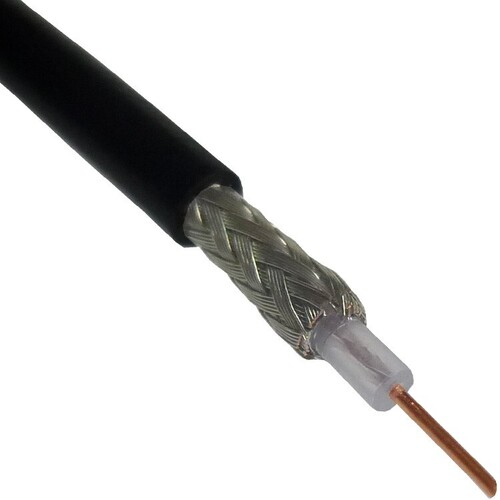
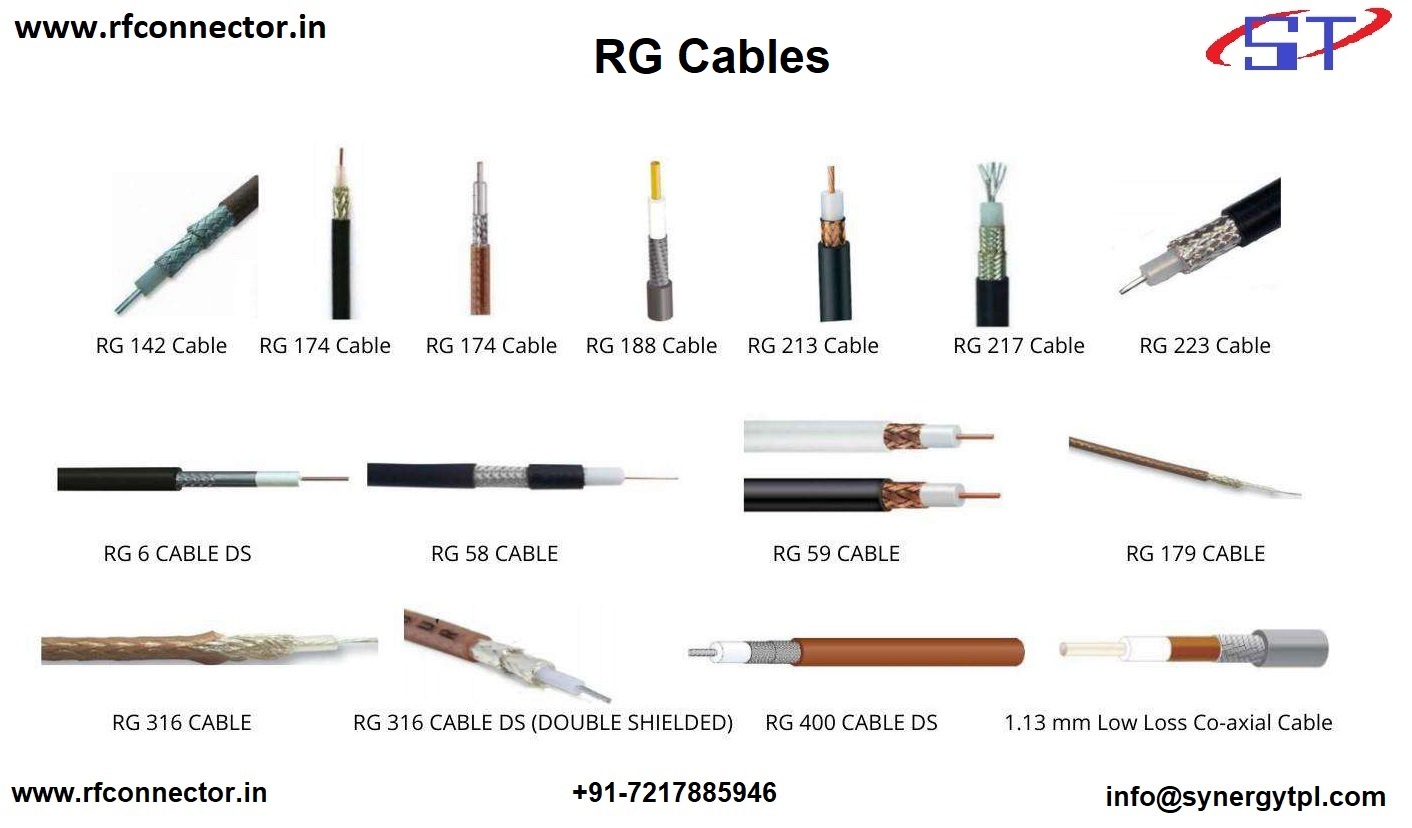
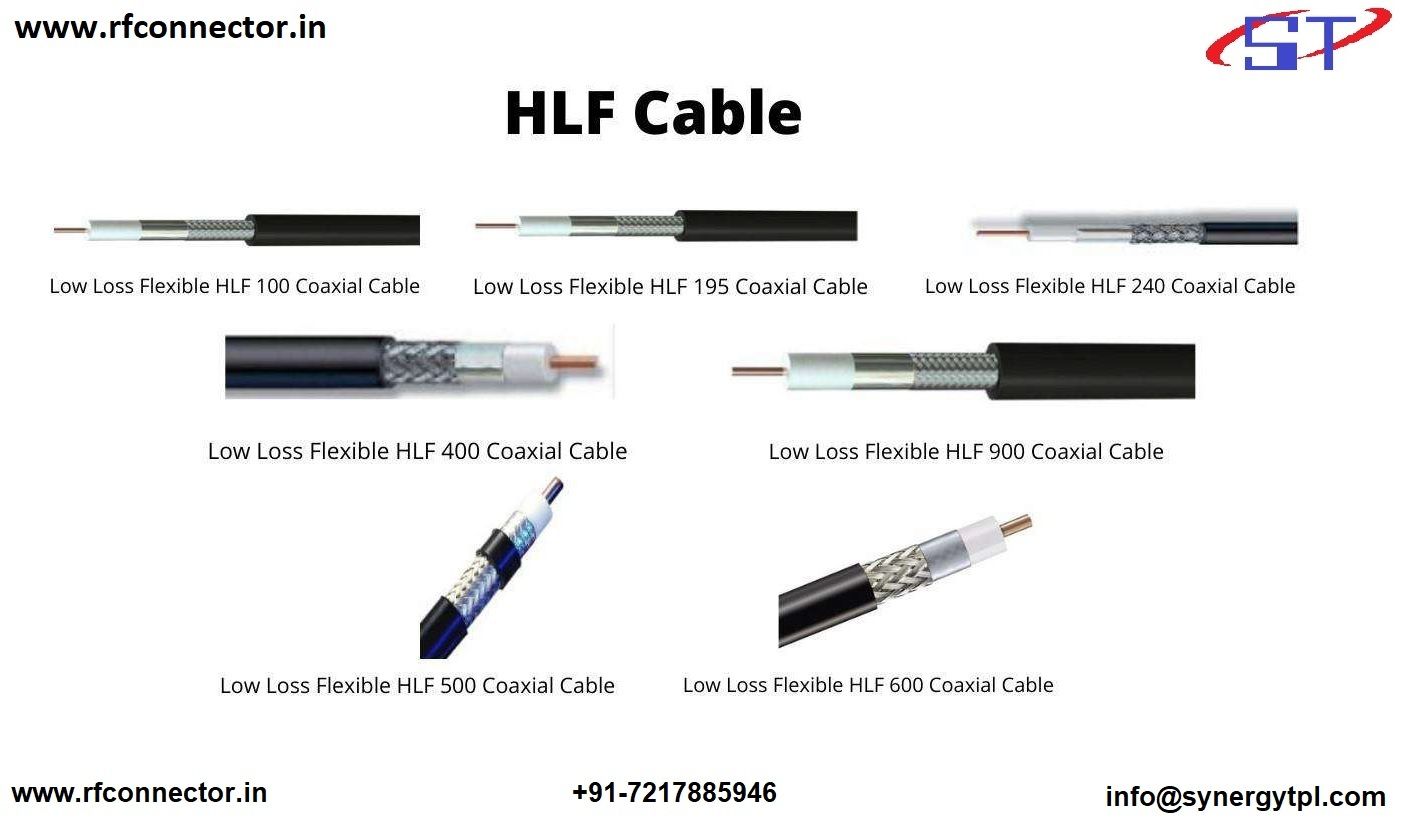
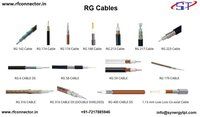
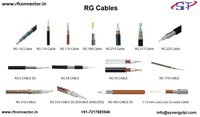
Durable Construction for Reliable ConnectivityCrafted from high-quality plastic material, the RG 100 Coaxial Cable offers dependable performance for RF and microwave applications. Its design minimizes signal loss and interference, making it an excellent choice for precise connections in demanding settings.
Versatile Usage Across Multiple IndustriesThe cable is suitable for use in both connector cable assemblies and microwave parts, offering versatility for communication, broadcasting, and electronics industries. Its size and tolerance make it adaptable for diverse installation requirements.
FAQs of RG 100 COAXIAL CABLE:
Q: How is the RG 100 Coaxial Cable primarily used?
A: The RG 100 Coaxial Cable is mainly used as a connector cable in RF (radio frequency) systems and microwave equipment, providing a stable pathway for high-frequency signals.
Q: What key benefits does this cable offer for RF applications?
A: Its plastic construction, 50-watt power handling, and precise sizing ensure superior signal transmission, minimal loss, and durability, making it ideal for reliable RF performance.
Q: When should I consider using an RG 100 Coaxial Cable?
A: This cable is recommended when you need efficient connectivity in radio frequency or microwave systems, typically in setups requiring 50-watt power capacity and a size-4 coaxial interface.
Q: Where can I find suppliers or distributors of RG 100 Coaxial Cable in India?
A: You can procure this cable from authorized distributors, manufacturers, suppliers, traders, and wholesalers across India, ensuring ready availability for your project needs.
Q: What process is involved in installing the RG 100 Coaxial Cable?
A: Installation generally involves connecting the cable between RF devices or microwave components, adhering to correct tolerance and ensuring secure connector fittings for optimal signal transfer.
Q: What are the common applications of this cable?
A: It is commonly used in RF communications, microwave assemblies, broadcasting equipment, and related electronic systems where performance and reliability are crucial.
Q: What advantages does the plastic material provide for this cable?
A: The plastic construction contributes to its lightweight design, corrosion resistance, and enhanced durability, making it suitable for a variety of environmental conditions and long-lasting use.















 Send Inquiry


