


07313726109


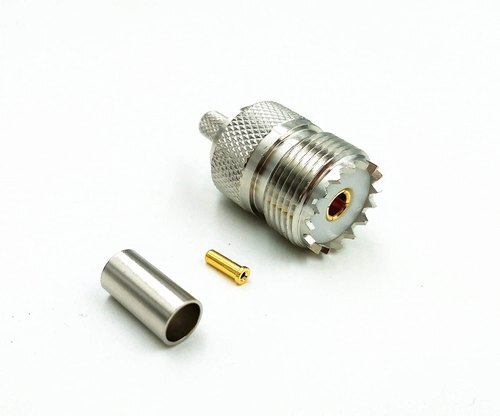
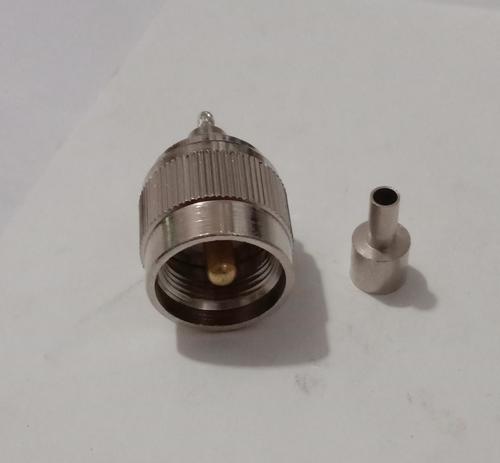
UHF Female crimp connector for LMR 200 cable
35 INR/Piece
Product Details:
- Product Type RF CONNECTOR
- Material Brass
- Usage Make Cable Assemblies other work
- Application IBS & BTS
- Power 50 Ohm (ohm)
- Voltage 50 Watt (w)
- Size LMR-200/RG58
- Click to View more
X
UHF Female crimp connector for LMR 200 cable Price And Quantity
- 5 Piece
- 35 INR/Piece
UHF Female crimp connector for LMR 200 cable Product Specifications
- IBS & BTS
- 50 Ohm (ohm)
- Make Cable Assemblies other work
- 20 Grams (g)
- RF CONNECTOR
- LMR-200/RG58
- Brass
- 50 Watt (w)
UHF Female crimp connector for LMR 200 cable Trade Information
- New Delhi
- Cash on Delivery (COD), Letter of Credit (L/C), Letter of Credit at Sight (Sight L/C), Western Union, Paypal, Cash Against Delivery (CAD), Telegraphic Transfer (T/T), Delivery Point (DP), Days after Acceptance (DA), Cash in Advance (CID), Cheque, Cash Advance (CA)
- 1000 Piece Per Day
- 1 Days
- Yes
- Free samples available with shipping and taxes paid by the buyer
- As Required Buyer
- All India
Product Description
UHF female crimp connector for LMR 200 cable
| Working Voltage | 1000VRMS,50 Hz At Sea Level |
| Frequency Range | DC-11Hz |
| Characteristics Impedance | 50 Ohm |
| VSWR | Less Then Or Eqval To 1.20@DC-3000MHz |
| Body | Brass |
| Insulator | PTFE |
Reliable Brass Construction
This UHF Female Crimp Connector is crafted from durable brass material, offering excellent conductivity and corrosion resistance. Its robust build ensures longevity and reliable signal transfer, essential for demanding telecommunication environments like IBS and BTS systems.
Versatile Application Support
Suitable for LMR-200 and RG58 cables, this connector supports various cable assembly requirements. With its 50 Ohm impedance and 50 Watt voltage handling, its perfect for high-performance installations and ensures compatibility with standard equipment in Indian markets.
FAQs of UHF Female crimp connector for LMR 200 cable:
Q: How is the UHF Female Crimp Connector used for cable assemblies?
A: The connector is crimped onto LMR-200 or RG58 cables using specialized tools. This process creates a secure connection, enabling efficient transmission of signals and reliable integration in IBS and BTS systems.Q: What are the main benefits of using this connector for LMR-200 cables?
A: Its precise fit for LMR-200 cable size, durable brass construction, and excellent power handling ensure stable connections and longer lifespan, making it suitable for professional cable assembly work.Q: When should I choose this connector for my application?
A: Choose the UHF Female Crimp Connector whenever you need a secure and high-performing link for LMR-200 or RG58 cables in indoor base station (IBS) or base transceiver station (BTS) installations.Q: Where can I purchase the UHF Female Crimp Connector in India?
A: It is available through various channels such as distributors, manufacturers, suppliers, traders, and wholesalers across India, ensuring easy access for bulk or individual requirements.Q: What is the process for installing this connector onto a cable?
A: To install, strip the cable to the required length, insert the connector components, and use a crimping tool to fasten the connector securely. This ensures optimal electrical contact and mechanical stability.Q: What advantages does the brass material offer for this connector?
A: Brass provides superior electrical conductivity, resistance to corrosion, and mechanical strength, resulting in reliable long-term performance for telecommunications applications.Tell us about your requirement

Price:
Quantity
Select Unit
- 50
- 100
- 200
- 250
- 500
- 1000+
Additional detail
Mobile number
Email

Other Products in 'UHF CONNECTOR' category

Contact Details
- KHASRA NO.33/23, MUNDKA INDUSTRIAL AREA, MUNDKA,New Delhi - 110041, India
- Phone : 07313726109
Contact Details
- Mr Pradeep Synergy AGRAWAL (Director)
- Mobile :07313726109
- Send Inquiry
 Send Inquiry
|


SYNERGY TELECOM (P) LTD.
All Rights Reserved.(Terms of Use)
Developed and Managed by Infocom Network Private Limited.
Developed and Managed by Infocom Network Private Limited.

